Charming Baby Animal Backgrounds for Book Covers
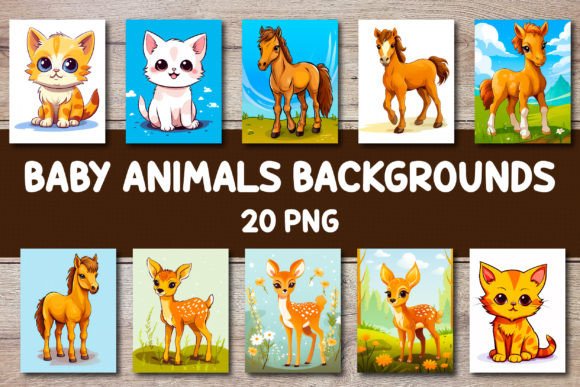
When you’re working on a children’s activity book or a whimsical coloring project, the visual hook is everything. You need an image that stops the scroll and promises a specific feeling. The Baby Animals Backgrounds for Covers collection does exactly that. It offers twenty distinct, high-resolution illustrations designed to evoke warmth, innocence, and creativity. This isn't just a set of random images; it's a toolkit for visual storytelling, specifically curated for the modern digital publisher and content creator.
The Anatomy of the Aesthetic: Why It Works
Understanding the visual personality of this collection is key to using it effectively. These backgrounds lean into a style that balances detailed illustration with a sense of playful softness. Think of the visual language of a high-end picture book or a premium coloring guide. The illustrations feature classic, endearing baby animals—think wide-eyed fawns, fluffy bear cubs, and playful kittens—rendered with clean lines and a gentle, inviting color palette. The overall appeal is one of mindfulness and joy. It’s a style that feels both modern and timeless, avoiding trendy gimmicks in favor of classic charm that resonates across age groups.
This aesthetic works because it taps into a universal emotional response. For a brand identity or a product cover, this is powerful. It instantly communicates that the content inside is safe, nurturing, and designed for relaxation or gentle engagement. The visual hierarchy is clear: the subject (the baby animal) takes center stage, supported by intricate, non-distracting background elements that suggest depth and artistry. This makes them ideal as design assets for projects where the cover needs to sell a feeling, not just a title.
Strategic Applications: From KDP to Brand Collateral
Where do these backgrounds truly shine? The most obvious application is in Amazon Kindle Direct Publishing (KDP). For anyone creating a coloring book for adults, boys, or girls, a compelling cover is a critical sales tool. A Baby Animals background provides that professional, eye-catching look that can differentiate your book in a crowded marketplace. The 300 dpi PNG files ensure that whether you're printing a physical book or creating a digital preview, the image remains crisp and vibrant—a non-negotiable for professionalism.
Beyond the bookshelf, think about social media graphics and web design. A wellness blogger focusing on art therapy or stress relief could use these images as thematic headers for posts about mindful coloring or self-care. A small business selling art supplies or craft kits could incorporate them into email marketing templates or packaging design inserts to reinforce a brand personality that is creative, calming, and accessible. The illustrations act as a versatile digital paper or focal point, adaptable to various formats.
Practical Integration and Pairing
Integrating these assets into your workflow is straightforward, but a few practical considerations will elevate the final product. First, treat the background as a foundational layer. When adding text—like a book title or author name—you’ll want to ensure readability. This often means using a clean, sans serif font for the main title to contrast with the intricate illustration, or a handwritten font for a subtitle that echoes the playful theme. The key is font pairing that doesn’t compete but complements.
For example, a bold, modern display font for the title can anchor the design, while a simple serif or sans-serif font for the author’s name keeps it legible. Avoid overly ornate script fonts for small text. Test your design at a small thumbnail size—this is how most people will first see it on retail platforms. Does the text still pop? Does the overall visual hierarchy hold up? The goal is consistency and recognition; your cover should look just as good small as it does full-size.
Aligning with Project Goals and Audience
Choosing the right background from the collection requires evaluating your project’s core goal. Is it for a therapeutic coloring book aimed at adults seeking stress reduction? Opt for a background with more intricate, flowing patterns that suggest a detailed activity. Is it for a child’s first coloring book? A cleaner, simpler illustration with bold outlines might be more appropriate. The collection’s variety allows for this kind of targeted selection.
Consider your audience engagement strategy. A background featuring a universally loved animal, like a puppy or a bunny, has broad appeal. A more niche animal might attract a specific sub-group. The personality of the illustration should mirror the personality of your content. This alignment is what builds a cohesive brand perception. It tells your audience you understand their desires—for calm, for fun, for creative expression—and that you’ve curated an experience for them from the very first glance.
Final Thoughts on Execution
Ultimately, the Baby Animals Backgrounds for Covers are more than just pretty pictures. They are strategic design assets that solve a common problem for publishers, designers, and creators: how to quickly and affordably achieve a high-quality, emotionally resonant visual. They provide a shortcut to professionalism, allowing you to focus your energy on the interior content, marketing, and community building. By understanding their inherent style and applying them thoughtfully to your specific medium—be it a digital print, a logo design element, or a commercial font project backdrop—you can leverage them to create something that truly connects and endures.