Spring Meadow Backgrounds: Nature-Inspired Design Assets
The Visual Character of This Collection
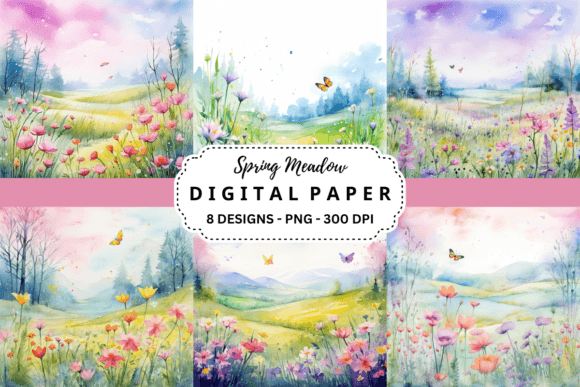
Spring Meadow Backgrounds captures the fresh, organic energy of early-season landscapes. Each of the eight PNG files presents a distinct interpretation of meadow elements — think soft gradients of greens, delicate floral textures, subtle grass patterns, and that unmistakable warmth that comes with springtime light. The collection balances realism with artistic abstraction, giving designers flexibility to use these backgrounds either as literal nature representations or as mood-setting visual foundations.
What makes this set particularly appealing is its versatility within a cohesive aesthetic. The backgrounds share a color palette rooted in natural greens, warm yellows, soft pinks, and earthy neutrals. This consistency means you can rotate between different files across a single project — say, a multi-page invitation suite or a series of social media posts — without visual dissonance. The personality here leans toward gentle sophistication rather than bold graphic statements, which opens doors for projects where subtlety matters more than impact.
Where These Backgrounds Shine Across Creative Projects
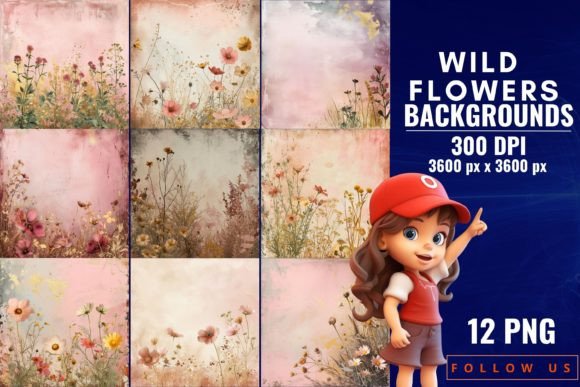
At 3600 x 3600 pixels and 300 DPI, these files are production-ready for both digital and print applications. That resolution handles large-format printing comfortably, which matters when you're designing poster & banner layouts, packaging wraps, or event signage. For digital work, the generous dimensions give you room to crop, scale, and reposition without quality loss — a practical advantage for social media post template design where platform specifications vary constantly.
Consider the practical applications across different professional contexts:
- Fashion and lifestyle brands can use these as backdrop layers for product photography overlays, lookbook spreads, or e-commerce banner designs where the product needs a natural, aspirational setting without competing visual noise.
- Event planners and stationery designers will find them ideal for invitations card layouts, save-the-dates, and RSVP cards — particularly for spring weddings, garden parties, or botanical-themed celebrations.
- Scrapbooking enthusiasts benefit from the layered, textured quality of each background, which adds depth to memory-keeping projects without requiring additional embellishment.
- Print on demand design projects such as greeting cards, journals, notebook covers, and wrapping paper can leverage these backgrounds as full-coverage designs or as accent panels within larger compositions.
- Content creators and bloggers working on seasonal editorial design — think recipe cards, wellness guides, or nature photography blogs — can establish visual continuity across their brand identity using consistent background treatments.
- Small business owners developing packaging design for artisan products, organic goods, or handmade items will appreciate how these backgrounds communicate authenticity and care without requiring custom illustration.
The collection also works well for printing labels, particularly in the food, beauty, and wellness industries where botanical associations carry meaningful weight with consumers. A spring meadow visual on a candle label or tea packaging immediately sets expectations about the product's character.
Influence on Visual Hierarchy and Brand Perception
Backgrounds do more than fill empty space. They establish tone, direct attention, and shape how audiences emotionally process the content layered on top. Spring Meadow Backgrounds carry inherent associations — renewal, growth, warmth, natural beauty — that can reinforce brand messaging without a single word of copy.
When you place clean sans serif typography over a soft meadow texture, the contrast creates natural visual hierarchy. The text remains readable while the background adds dimension and emotional resonance. This interplay between foreground content and background atmosphere is where thoughtful design separates professional work from amateur efforts.
For brand identity work, consistency matters enormously. Having eight variations within a unified aesthetic gives designers enough range to maintain visual cohesion across touchpoints — website hero images, social media graphics, email headers, printed collateral — while avoiding monotony. A business card might use a subtle, desaturated version while a website banner employs the same palette at fuller intensity. This kind of deliberate variation within a system is exactly how established brands build recognition.
Practical Guidance for Working With This Collection
Before committing these backgrounds to a project, spend time evaluating fit honestly. Not every design brief calls for organic, nature-inspired textures. These files work best when your audience values warmth, authenticity, and approachability. If you're designing for a fintech startup or an industrial equipment company, the meadow aesthetic likely misses the mark. For wellness brands, lifestyle publications, educational materials, or community-focused organizations, the fit feels natural.
Testing font pairings against these backgrounds deserves deliberate attention. Because the textures carry visual complexity, simpler typeface families tend to perform better. A clean serif font for headlines paired with a legible sans serif for body copy creates enough contrast to maintain readability without competing with the background's detail. Script fonts and handwritten fonts can work beautifully for accent text — event names, quotes, decorative headers — but reserve them for short passages where legibility isn't compromised.
Layer semi-transparent color overlays over the backgrounds to push them toward your specific brand palette when needed. A light wash of your brand's primary color can unify the meadow texture with your existing design assets while preserving the organic character that makes these files valuable in the first place.
For commercial use, always verify the licensing terms included with your purchase. Most premium font and background collections intended for designers include commercial licensing, but the specifics matter — particularly for print on demand platforms, merchandise, and large-scale distribution. Review whether the license covers unlimited projects, digital product resale, or physical goods manufacturing. Understanding these terms upfront prevents complications later, especially for entrepreneurs scaling their product lines.
File management deserves a mention too. At 300 DPI and 3600 pixels square, each PNG carries significant data. Organize these files clearly within your project folders, maintain backup copies, and note which specific background serves which project. When a client requests revisions six months later, this discipline saves considerable time.
Ultimately, Spring Meadow Backgrounds function as a design foundation — one element within a larger creative system. Used thoughtfully, they bring seasonal warmth and organic texture to projects spanning digital publishing, physical products, personal crafting, and professional brand development. The quality and resolution make them genuinely usable across contexts, which is exactly what working designers and creators need from their asset libraries.