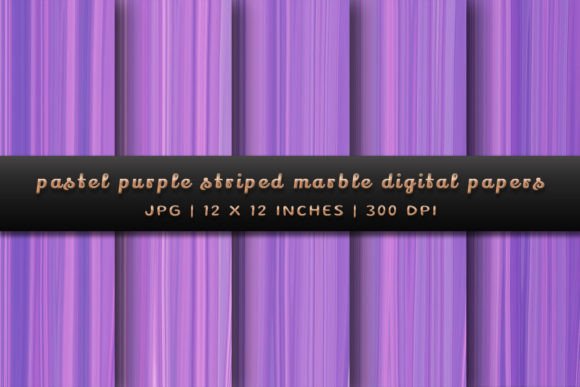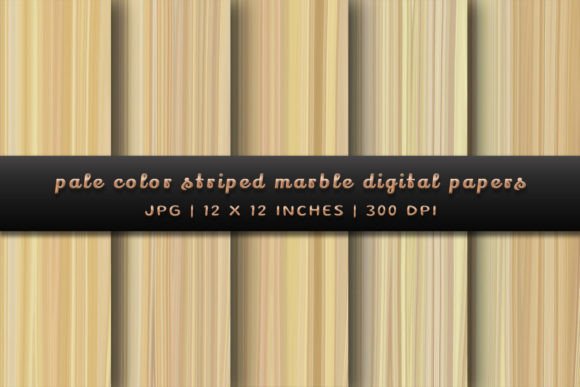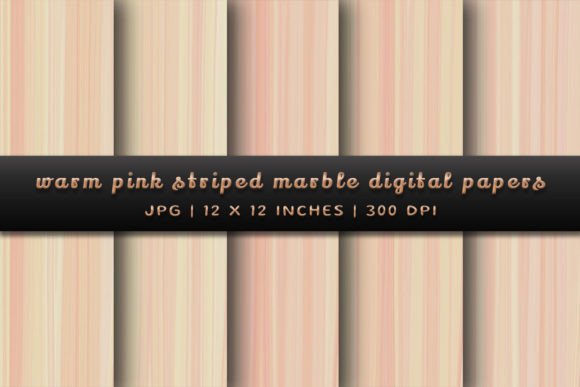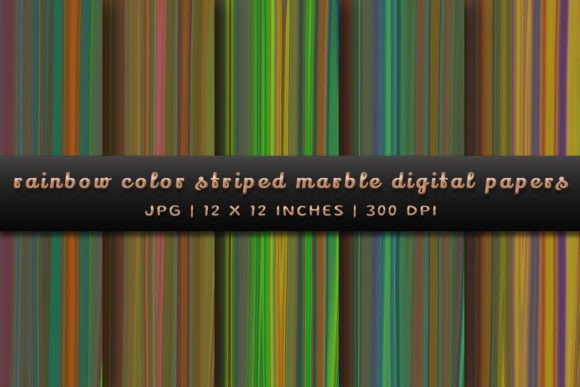
Rusted Metal Striped Marble Backgrounds: Industrial Elegance
Understanding the Fusion: Industrial Edge Meets Classical Refinement
In the world of digital design, texture is the silent language that speaks to the viewer's subconscious. We often spend hours debating between a sans serif font or a serif font for our typography, yet the canvas upon which those letters sit is equally vital. This is where Rusted Metal Striped Marble Backgrounds enter the conversation, offering a complex visual narrative that bridges the gap between decay and luxury. These backgrounds are not just static images; they are a study in contrast. You have the cold, hard permanence of marble—historically associated with classical architecture and high-end sculpture—fused with the chaotic, oxidized beauty of rusted metal.
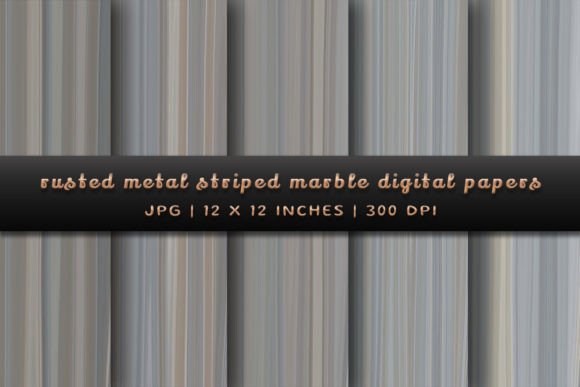
The visual characteristics of these digital papers are distinct. The "striped" element introduces a sense of rhythm and direction, guiding the eye across the 12-inch canvas. However, the rust texture breaks up the uniformity, adding grit, grain, and a sense of history. It suggests a surface that has been weathered by the elements, perhaps a wall in an abandoned industrial district where nature is slowly reclaiming the architecture. For the creative professional, this specific aesthetic solves a common problem: how to create a design that feels grounded and authentic without sacrificing elegance. It moves away from the sterile perfection of flat digital colors and introduces an organic, tactile quality that feels expensive and curated.
Practical Applications for Modern Creators
When we look at applying these textures to real-world projects, the versatility is surprising. At first glance, a rusted metal texture might seem limited to heavy metal band posters or grunge aesthetics. However, the inclusion of marble and stripes elevates these assets into the realm of premium design assets. For packaging design, particularly in the cosmetics, spirits, or artisanal food industries, these backgrounds provide a rugged yet sophisticated foundation. Imagine a whiskey label where the rugged texture communicates the age and barrel-aging process, while the marble stripe suggests the refinement of the final product.
Furthermore, in the realm of web design and social media graphics, attention is the currency. A standard stock photo often gets scrolled past, but the complex interplay of rust and stone creates a "pattern interrupt." It stops the scroll. Content creators and bloggers can use these backgrounds to frame quotes, create distinct headers for different blog categories, or design eye-catching thumbnails. Because the files are 300 DPI and sized at 12x12 inches, they are perfectly suited for sublimation projects. This opens up a massive market for small business owners creating custom merchandise—think t-shirts, tote bags, and coasters—where the industrial aesthetic is highly trending.
Visual Hierarchy and Brand Perception
Choosing a background texture is a strategic decision that directly influences brand identity. The textures you choose signal to your audience what your brand values. By utilizing Rusted Metal Striped Marble Backgrounds, a brand communicates that it is unafraid of complexity. It suggests a personality that is strong, enduring, and perhaps a bit rebellious, but ultimately refined. This is particularly effective for entrepreneurs and marketers targeting audiences who appreciate "authenticity" over polished, corporate sterility.
However, practical application requires understanding visual hierarchy. A texture this detailed can easily overwhelm text if not handled correctly. If you are overlaying a display font or a script font on these backgrounds, contrast is key. The rugged nature of the metal and the veining of the marble act as a complex mid-tone. Therefore, your typography needs to either float above it with a solid drop shadow or be enclosed in a container (like a semi-transparent box) to ensure readability. The goal is to let the texture enhance the message, not compete with it.
Pairing Textures with Typography
There is a compelling design theory that suggests pairing opposites creates the most dynamic compositions. Since these backgrounds are heavy, organic, and textured, they pair exceptionally well with clean, geometric typefaces. A bold, modern sans serif font creates a striking juxtaposition against the ancient feel of the marble. Alternatively, a delicate handwritten font can look beautiful against the harshness of the rust, creating a "beauty and the beast" dynamic that draws the viewer in. When testing font pairings, keep the background desaturated or slightly darkened if your text is light, or vice versa. The high-resolution JPG files allow for significant cropping and resizing without losing that critical texture detail, ensuring your logo design or editorial layout remains crisp.
Technical Specifications for Flawless Execution
For designers and print professionals, the technical quality of an asset is non-negotiable. These digital papers come as high-quality JPG files, which is the industry standard for compatibility across various software suites, from Adobe Photoshop to Canva. The specification of 300 DPI is crucial for any physical application. If you are creating print design materials, such as business cards, brochures, or posters, a lower resolution would result in pixelation, destroying the illusion of the texture. At 300 DPI, the grain of the rust and the polish of the marble remain distinct even under close inspection.
It is important to note the delivery method: the files are compressed into a single ZIP file. This is standard practice for digital downloads, but it requires a brief technical step on the user's end. You will need to extract (or unzip) the folder to access the individual JPGs. Once extracted, you have five distinct variations to work with. This variety is essential for maintaining brand consistency across a campaign while avoiding visual monotony. You might use the more intensely rusted version for a "sale" graphic and the cleaner marble-stripe version for a "new arrival" announcement.
Strategic Use in Sublimation and Crafts
The sublimation market is booming, and crafters are constantly seeking unique design assets that set their products apart from mass-market items. Because these backgrounds are seamless and high-quality, they transfer beautifully onto hard surfaces like mugs and coasters, as well as fabrics. The "industrial edge" appeals to a demographic that likes steampunk, industrial farmhouse, or urban chic aesthetics. For hobbyists and small business owners, these papers offer a way to create professional-grade products without needing a photography studio to shoot real textures. It saves time and elevates the perceived value of the final craft.
Evaluating Fit for Your Next Project
Before integrating these backgrounds into your workflow, consider the emotional tone of your project. These textures are inherently moody and substantial. They work best for projects that require a sense of weight and seriousness. They might not be the right fit for a children’s party invitation or a light-hearted summer sale, but they are perfect for a winter collection launch, a men's grooming brand, a construction company rebrand, or a music festival poster.
Ultimately, Rusted Metal Striped Marble Backgrounds are more than just a pretty picture; they are a tool for storytelling. They allow you to inject personality and depth into flat digital screens. By combining the durability of metal with the luxury of marble, you create a visual anchor that makes your typography pop and your brand message resonate. Whether you are a seasoned graphic designer looking for new textures or a blogger trying to revamp your visual strategy, these digital papers provide a robust foundation for creativity.