Cactus Backgrounds for Covers: A Desert Oasis for Your Designs
More Than Just a Pretty Picture
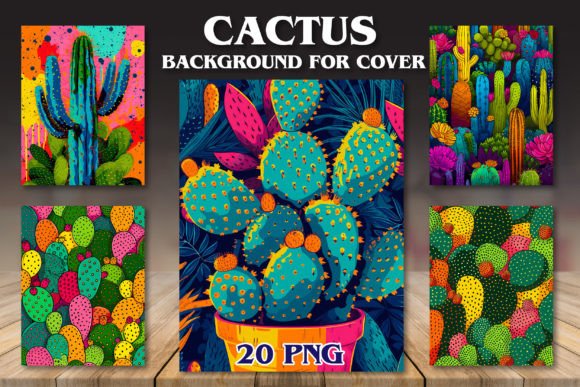
When you hear "Cactus Backgrounds for Covers," your mind might jump straight to a specific aesthetic—perhaps a sun-drenched, minimalist vibe or a lush, botanical illustration style. But the true value of a well-crafted collection like this lies in its versatility as a foundational design asset. Think of it less as a single image and more as a curated visual vocabulary. The collection typically features a range of compositions: from sparse, elegant arrangements of saguaro silhouettes against a gradient sky, to dense, intricate patterns of prickly pear and barrel cacti that create a rich, textural field. The color palettes are intentionally varied, spanning naturalistic greens and sandy tones to stylized, modern interpretations in muted pastels or bold, graphic contrasts. This diversity is key. It allows you to select a background that doesn't just decorate a cover, but actively communicates a specific mood—be it tranquility, resilience, playful whimsy, or sophisticated calm.
Finding the Right Fit for Your Project
The practical applications for a high-quality set of cactus-themed backgrounds extend far beyond the obvious. For authors and publishers using Amazon KDP, the immediate use is clear: creating distinctive book covers for genres like cozy mystery, contemporary romance, self-help, travel memoirs, or even specialized coloring books for adults. A serene desert scene can signal a relaxing, mindful activity, while a more graphic, pattern-based background can hint at creative expression and artistic detail.
Beyond publishing, consider these real-world scenarios where this asset shines:
- Brand Identity & Marketing: A small business selling succulents, skincare, or artisanal goods can use a consistent cactus background across social media graphics, email headers, and product packaging to build a recognizable, cohesive brand identity. The visual language of the cactus—enduring, unique, beautiful—can subtly reinforce brand values.
- Digital & Print Design: Bloggers and content creators can use these backgrounds for website banners, podcast cover art, or downloadable planner inserts. The high-resolution PNG files ensure they look crisp on both screens and when printed for stationery or wall art.
- Creative Projects: Crafters and hobbyists can incorporate them into digital scrapbooking, custom greeting cards, or as backdrops for product photography. For graphic designers, they serve as excellent starting points for mockups or as textured layers in more complex compositions.
Practical Guidance for Seamless Integration
Acquiring a set of 20 high-quality PNG files is a great start, but using them effectively requires a designer's eye. Here’s how to approach integrating Cactus Backgrounds for Covers into your workflow for maximum impact.
First, evaluate the project's tone. Is your book cover for a serious literary novel or a fun, lighthearted guide? Match the background's style to the content's personality. A minimalist, outline-style cactus might suit a modern business book, while a watercolor wash background could be perfect for a poetry collection.
Second, consider typography as your co-star. This is where modern typography principles come into play. The background should not compete with your title text; it should frame it. If the background is busy and detailed, pair it with a clean, bold sans serif font for high legibility. If the background is simple and airy, you have more freedom to experiment with a elegant serif font or even a complementary script font. Always test your font pairing on the actual background before finalizing.
Third, leverage the files' technical specifications. The 300 DPI, high-resolution PNG format is a commercial-grade standard. This means you can confidently use these assets for print-on-demand services, professional printing, and large-format digital displays without worrying about pixelation or quality loss. The ability to resize and customize is crucial—use your design software to crop, zoom, adjust color balance, or layer elements to create something uniquely yours.
Finally, mind the commercial license. Most premium digital assets like this come with a license that permits use in end products for sale, like books and merchandise, but typically prohibits reselling the raw files themselves. Understanding this ensures you use the asset ethically and legally, protecting your business and respecting the creator's work.
By treating Cactus Backgrounds for Covers not as a ready-made solution but as a versatile component in your design toolkit, you unlock its true potential. It becomes a starting point for building visual narratives, establishing brand consistency, and producing professional, engaging work that stands out in a crowded marketplace. The desert oasis isn't just a theme—it's a foundation for creativity.